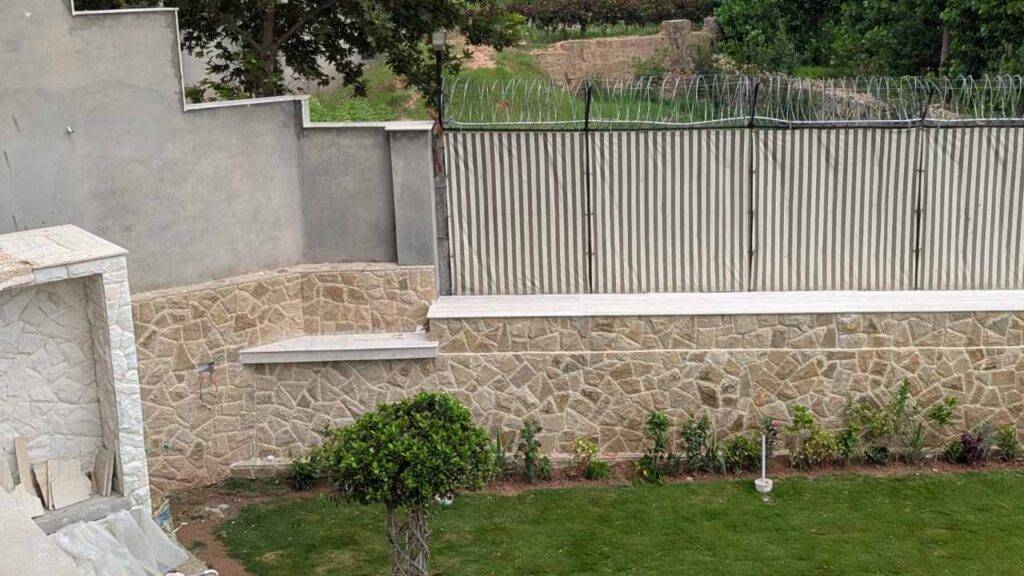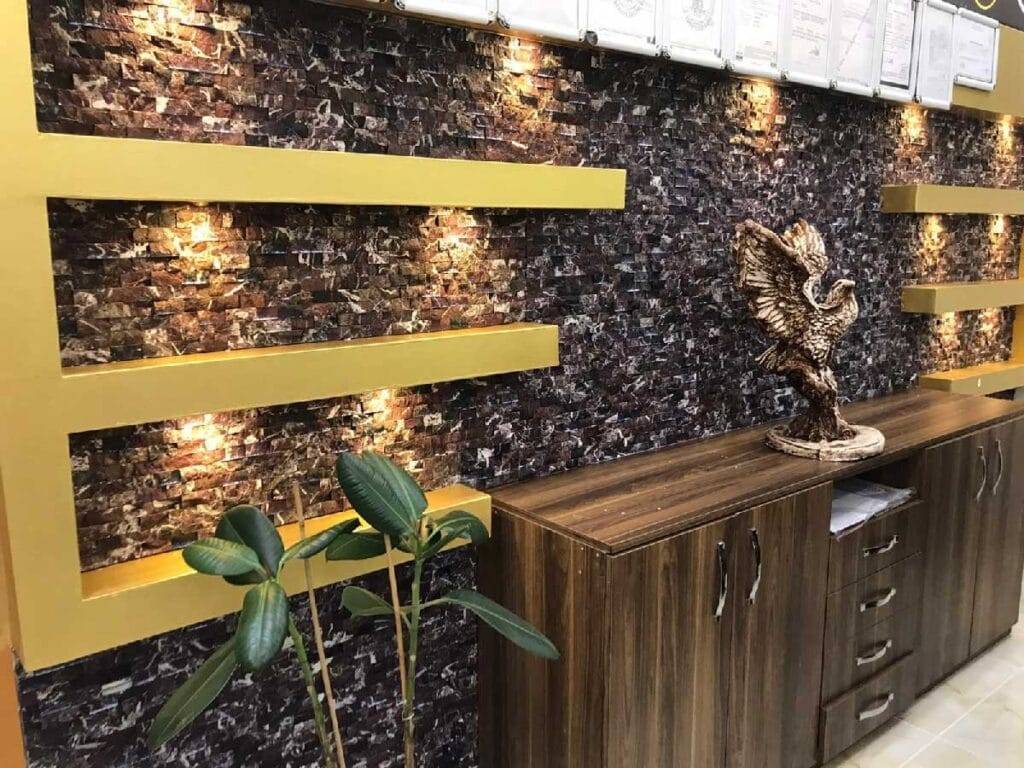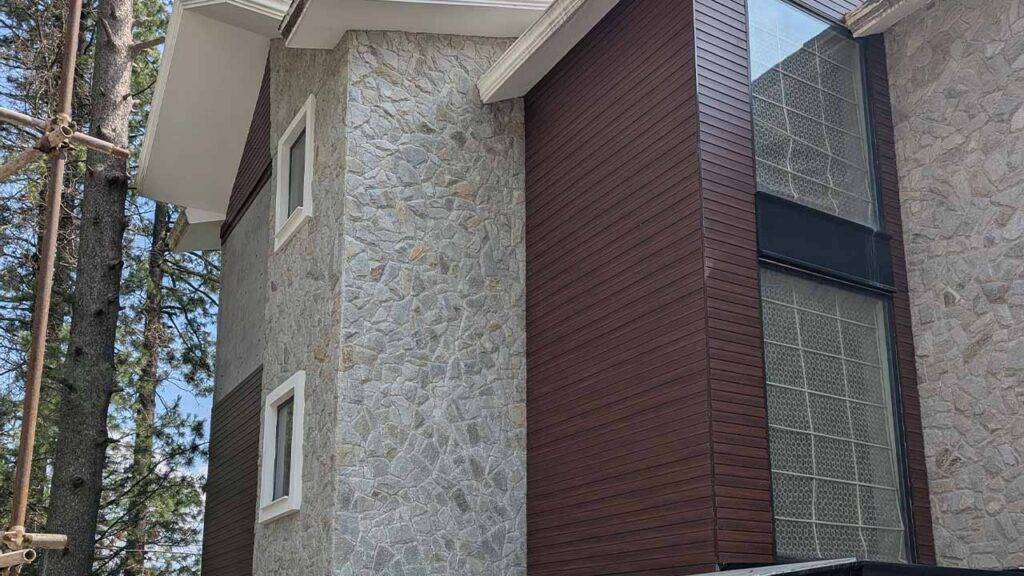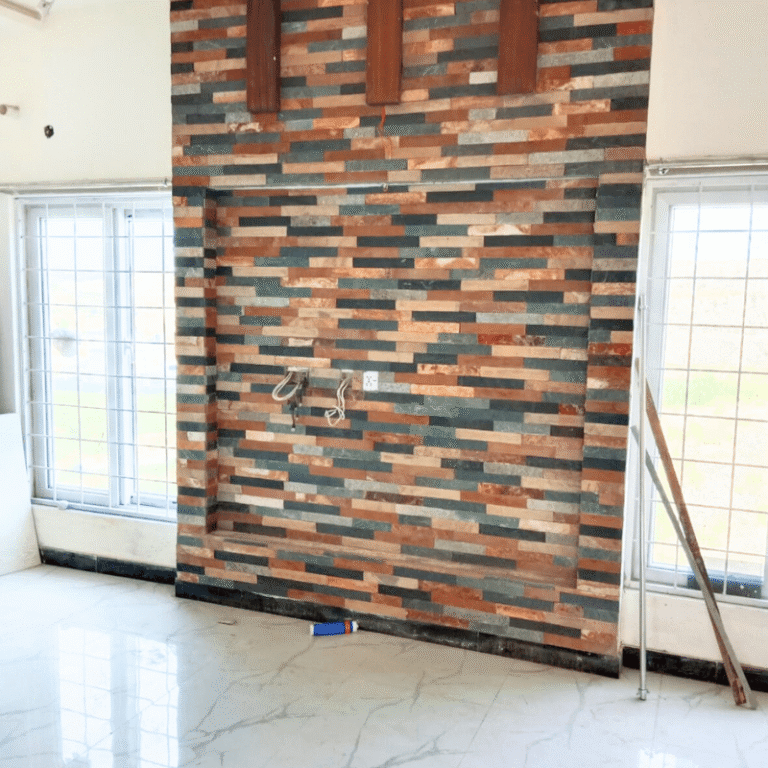
How to clean natural stone wall surfaces matters for keeping exterior cladding attractive in Pakistan’s dust, heat, rain and urban pollution. Knowing how to clean natural stone wall cladding correctly helps prevent grime, staining and fading while protecting the stone and mortar.
Simple routines can keep exterior masonry looking clean throughout the year. Use gentle tools and stone-safe products, and test any cleaner on a small, inconspicuous area first.
Pakistani Climate Challenges for Natural Stone Walls
Pakistan’s weather can expose stone facades to dust storms, vehicle exhaust and high humidity. Dust and pollution can build up on walls in cities such as Lahore, Islamabad and Karachi.
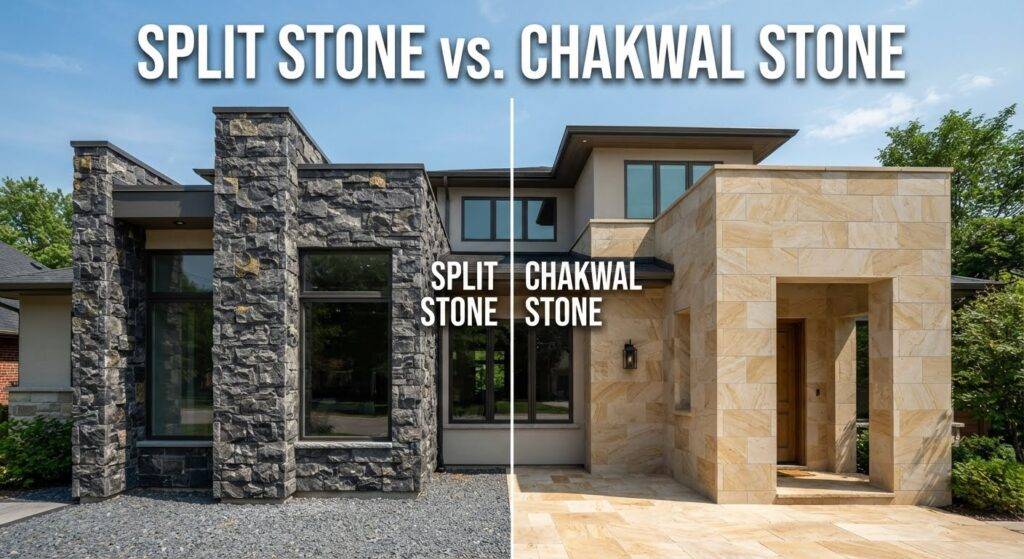
After rain, moisture can carry soluble minerals from mortar to the wall surface. Textured finishes such as split stone may hold airborne soot and moisture, which can contribute to dark staining.
Avoid washing stone facades with harsh muriatic or bathroom acids. Acidic chemicals can discolor or etch some stones and damage their surface.
Removing Post-Monsoon Efflorescence
Efflorescence is a white, powdery salt deposit that can appear when moisture moves through masonry and evaporates at the surface.
Start by removing deposits only when the masonry is fully dry. Wetting the salt can dissolve it and allow it to move back into the stone pores, where it may reappear as the surface dries. Before deciding how to clean natural stone wall deposits, identify the stain and check guidance for your stone type.
Use a stiff nylon-bristle brush to loosen the dry deposits. Avoid wire or carbon-steel brushes, which can scratch the stone or leave particles that later rust. After dry brushing, wipe the area with clean water and a pH-neutral stone cleaner, following the product label.
How to Clean Natural Stone Wall Surfaces Safely
Pressure washing can remove embedded dirt, moss and pollution from exterior cladding, but excessive pressure may damage stone faces and mortar joints. Check the stone supplier’s or installer’s guidance before washing, and test a discreet area first.
For sedimentary stone such as Chakwal stone, use a low-pressure setting and a wide fan nozzle. Keep the nozzle at least 12 inches from the wall and use steady passes. Avoid directing water into mortar joints or at damaged areas.
For stubborn dirt, pre-treat the area with warm water and a neutral detergent that is suitable for natural stone. Follow the label, then rinse gently with clean water.
Seasonal Maintenance Schedule
Regular upkeep and a breathable penetrating sealer can help protect exterior stone. Silane-siloxane sealers are designed to reduce water absorption while allowing water vapor to pass through; confirm the product is suitable for your stone and climate.
Apply sealer only to a clean, fully dry surface and follow the manufacturer’s instructions. The drying time depends on weather and the product; allow at least the stated cure period before sealing.
| Frequency | Maintenance action | Recommended tools | Core benefit |
|---|---|---|---|
| Weekly | Dust surface dirt | Soft nylon broom | Helps prevent grit buildup |
| Monthly | Rinse with fresh water | Garden hose with spray nozzle | Clears loose airborne dust |
| After monsoon | Dry-brush efflorescence | Stiff nylon brush | Removes dry mineral deposits |
| Annually | Check joints and spot-clean | Neutral stone cleaner | Helps maintain mortar integrity |
| Every 2–3 years | Deep clean and assess sealer | Stone-safe wash and suitable breathable sealer | Supports water resistance |
Frequently Asked Questions
How to Clean Natural Stone Wall Salt Deposits Safely
Let the masonry dry completely, then loosen the white deposits with a stiff nylon brush. Avoid applying water or acid first, since moisture can dissolve the salts and allow them to reappear.
Can pressure washing damage natural stone walls?
Yes. Excessive pressure or a narrow nozzle can pit some stone surfaces and erode mortar joints. Use a low-pressure setting, a wide fan tip and a safe distance, and follow the stone supplier’s guidance.
Why use a breathable sealer on exterior natural stone?
A suitable breathable penetrating sealer can reduce rainwater absorption while letting water vapor escape. A coating that traps moisture may contribute to blistering, discoloration or stone deterioration.
Conclusion: Caring for Natural Stone Walls
Consistent maintenance helps preserve the appearance and durability of exterior stone cladding. Avoid harsh acids, manage seasonal efflorescence carefully and use only stone-safe cleaning products and sealers suited to the material. For homeowners deciding how to clean natural stone wall surfaces, gentle regular care is safer than aggressive products.
Whether you are planning a new facade or maintaining existing masonry, natural stone offers lasting character. Explore our residential stone projects or contact the Nafees Chakwal Stone team for guidance on quarry-direct materials. For general stone care tips, see the Natural Stone Institute’s care and cleaning guidance.
Request a quote contact page.